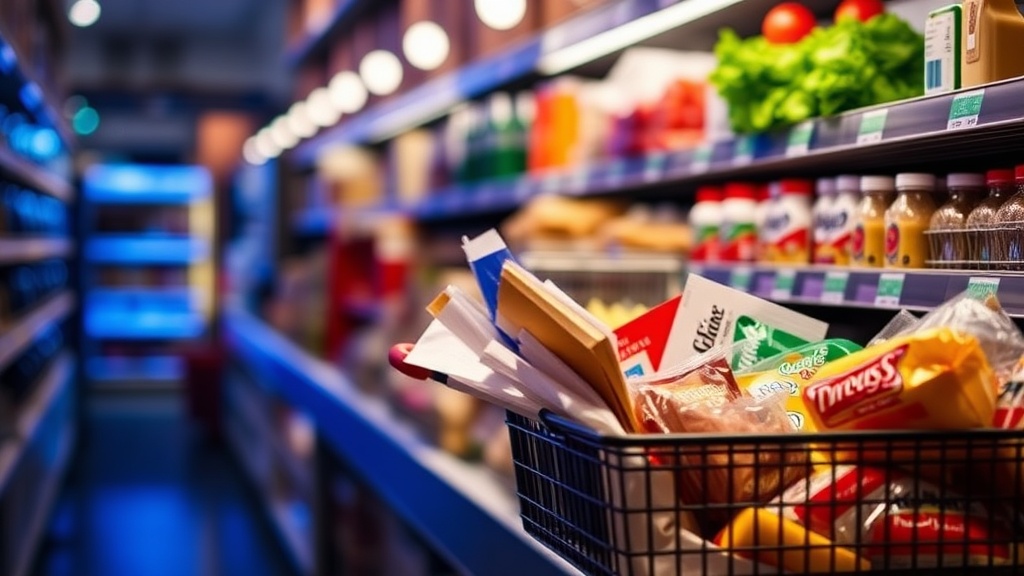
Fill Your Pantry for Less with High-Value Grocery Rewards

The average American household spends over $1,500 annually on groceries alone, and food inflation has pushed those numbers even higher lately.
Most people view grocery shopping as a necessary evil—an expensive chore that drains the bank account every single week. But it doesn't have to be that way. This guide breaks down exactly how to use high-value rewards, digital coupons, and strategic shopping habits to keep your pantry stocked without the heavy price tag. We're looking at real-world tactics to turn your regular grocery run into a way to save hundreds of dollars.
If you've ever felt the sting of seeing a $200 receipt for just a few bags of food, you aren't alone. The trick isn't just buying less; it's buying smarter through systems that pay you back. From credit card rewards to manufacturer direct programs, there are plenty of ways to offset your costs.
How Can You Get Free Groceries Using Rewards Programs?
You can get free or heavily discounted groceries by stacking manufacturer coupons with store-specific loyalty programs and credit card cash-back offers. It's about layering your savings so that the final price at the register is much lower than the sticker price.
Most major retailers like Walmart or Target have their own ecosystems. If you use a Target RedCard, you get a consistent 5% discount on almost everything. That sounds small, but over a year of grocery shopping, that's a massive amount of money back in your pocket. It's an easy win.
Don't forget about the digital side of things. Apps like Ibotta or Fetch Rewards allow you to scan your receipts after the fact. You aren't saving money at the moment of purchase, but you're getting cash back that you can use on your next trip. It’s a "delayed" saving method, but it works.
Common High-Value Reward Types:
- Cash Back Apps: Scanning receipts for points or direct cash.
- Store Loyalty Cards: Instant discounts on specific items (like Kroger or Safeway).
- Credit Card Rewards: Using cards that offer 3% to 6% back on "Groceries."
- Manufacturer Digital Coupons: Direct-from-brand savings found on apps like Coupons.com.
The catch is that you have to be diligent. If you just walk into the store and grab whatever is on the shelf, you'll miss out on the real savings. You need to check your apps before you leave the house.
What Are the Best Grocery Apps for Maximum Savings?
The best grocery apps are those that offer immediate cash-back or high-value digital coupons that can be stacked with existing sales. Using a combination of a store-specific app and a third-party cash-back app is the most effective strategy.
For example, if you see a sale on Ben & Jerry's ice cream at your local grocery store, check your Ibotta app first. Sometimes, the store has a sale, AND the brand is offering a rebate. If you use both, you're essentially getting that product for a fraction of the cost. It's a double dip.
I've found that many people overlook the "hidden" apps. There are even specialized sites that offer free samples or trial sizes of pantry staples. If you're interested in more ways to get products without paying full price, you might enjoy reading about how to get free samples by mail.
| App Name/Type | Primary Benefit | Best For... |
|---|---|---|
| Ibotta | Cash back on specific products | Brand-name staples (Pasta, Cereal, etc.) |
| Fetch Rewards | Points for any receipt scan | Earning gift cards quickly |
| Store Apps (Kroger/Target) | Direct digital coupons | Weekly grocery lists |
| Upside | Gas and select food rewards | Offsetting travel costs to the store |
It's a lot to track, I know. But once you get into the rhythm, it becomes second nature. You start looking at a box of crackers and thinking, "Wait, does this have a rebate?" instead of just "Do I want this?"
Is It Worth Using a Credit Card for Grocery Shopping?
Yes, it is worth it if you use a card that specifically categorizes grocery stores as a high-reward category and if you pay your balance in full every month. Using a card for the points and paying it off immediately prevents interest from eating your gains.
Many people are wary of credit cards because of debt, and that's a valid concern. But from a pure "deal" perspective, a card like the American Express Blue Cash Preferred can offer up to 6% cash back on groceries. If you spend $500 a month on food, that's $30 a month—or $360 a year—just for using the card you were going to use anyway. It's not a get-rich-quick scheme, but it's a solid way to shave off a chunk of your annual expenses.
Just remember: the reward is only a reward if you aren't paying 25% interest to the bank. Use it as a tool, not a loan.
The "Stockpile" Strategy
Once you've mastered the apps and the cards, you move to the next level: the stockpile. This is where the real "freebie" mentality kicks in. When a non-perishable item you use regularly—like Heinz Ketchup or Quaker Oats—goes on a massive sale or has a high-value coupon, you buy more than you need for the week.
Buying in bulk is great, but buying "on sale + with a coupon" is better. If you see a 50% off sale on a staple, that's your signal to grab three or four. This protects your budget against future price hikes.
Note: This strategy only works for items you actually use. Don't buy five jars of a niche sauce just because it's cheap. That's how you end up with a pantry full of things you'll never eat.
Managing Your Pantry Inventory
A common mistake is buying things you already have because you didn't check the pantry. A messy pantry is a money pit. Before you head out, do a quick scan. Do you really need that box of pasta? Or are you just grabbing it out of habit?
Keeping a running list on your phone—perhaps a shared note with your partner—ensures you only buy what is necessary. It also keeps you from falling for "impulse buys" in the middle of the aisle. Those "buy one get one free" deals are tempting, but if you didn't need the item in the first place, you're still spending money.
If you're looking to save money on other household essentials, check out our guide on growing your own food and tools. It's a different way to approach the "zero cost" mindset.
The goal is to turn your grocery shopping from a mindless expense into a strategic operation. By using a combination of store loyalty, third-party apps, and high-reward credit cards, you can significantly lower the "real" cost of your food. It takes a little more effort up front, but the long-term payoff is a much fuller pantry for much less money.